My Smartwatch Experiment Surprised Me
I Stopped Wearing a Smartwatch for 2 Years
For almost two years, I didn't wear a smartwatch.
That might not sound particularly noteworthy, but considering how common smartwatches have become, it felt a little unusual.
The reason wasn't because I disliked technology. It was actually the opposite—I felt like I was paying too much attention to it.
I'd check my step count throughout the day. I'd look at my sleep score in the morning. I'd pay attention to various health metrics and find myself becoming a little too attached to the numbers.
It wasn’t anything extreme, but enough that I felt it wasn't particularly healthy. So I took the watch off.
For the next two years, I continued exercising, walking, and generally trying to look after myself. I just did it without constantly collecting data.
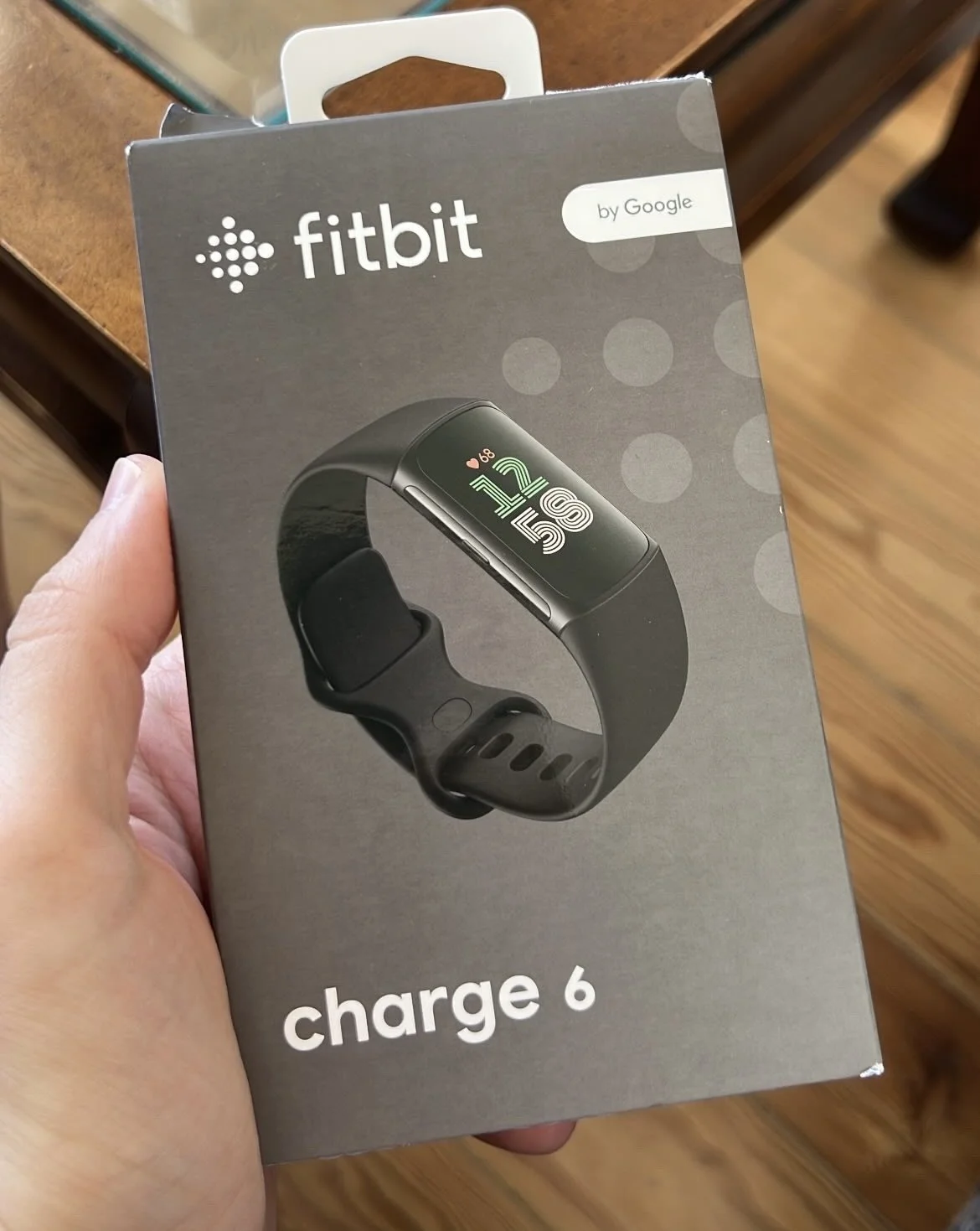
Then, last month, in April, I decided to buy and wear a smartwatch again—the Fitbit Charge 6—and to my surprise, my relationship with it felt completely different.
Instead of making me more obsessive, it actually improved several health habits that had gradually slipped over the years. Here are a few things I've noticed:
I Move More Throughout the Day
This probably sounds obvious, but one of the simplest features on my Fitbit is the notification that tells me how many steps I've taken during the current hour.
Sometimes I'll be working away and receive a notification informing me that I've only walked 113 steps over the last 50 minutes, and that can be surprisingly effective.
Without a smartwatch, it's easy to convince yourself you've been reasonably active. But with a smartwatch? The evidence is sitting right there on your wrist.
I don't always act on it, but I act on it often enough that I've found myself getting up more regularly throughout the day.
My Daily Step Count Has Increased
I've always valued walking—even during the two years without a smartwatch, I knew walking was beneficial for both physical and mental health. The difference was that I wasn't really paying attention to how much I was doing.
Now, if I look down and see that I've only accumulated 6,000 steps by late afternoon, I have a much better idea of what needs to happen next. A short walk around the neighbourhood might be enough to bring me closer to my target.
It's a small thing, but health improvements are often built on small actions repeated consistently.
My Sleep Habits Have Improved
Historically, sleep has probably been one of my weaker health habits.
I wouldn’t describe it as anything disastrous, as I've never been someone who survives on only four hours of sleep every night, but I do have a habit of staying up later than intended and only realising how late it's become when it's already time to go to sleep.
Since wearing a smartwatch again, I've found myself paying more attention to my sleep score. Oddly enough, that's encouraged better behaviour and sleep hygiene. I find myself putting my phone down earlier and becoming more conscious of my bedtime routine.
Best part? It’s gotten me back into reading much more often—although instead of the Kindle, I’ve recently been opting for classic Marvel graphic novels.
The score itself isn't the massively important part, but the habits it encourages are.

My current read
Health Is Harder to Ignore
One thing I've realised over the past month is that a smartwatch makes your habits visible.
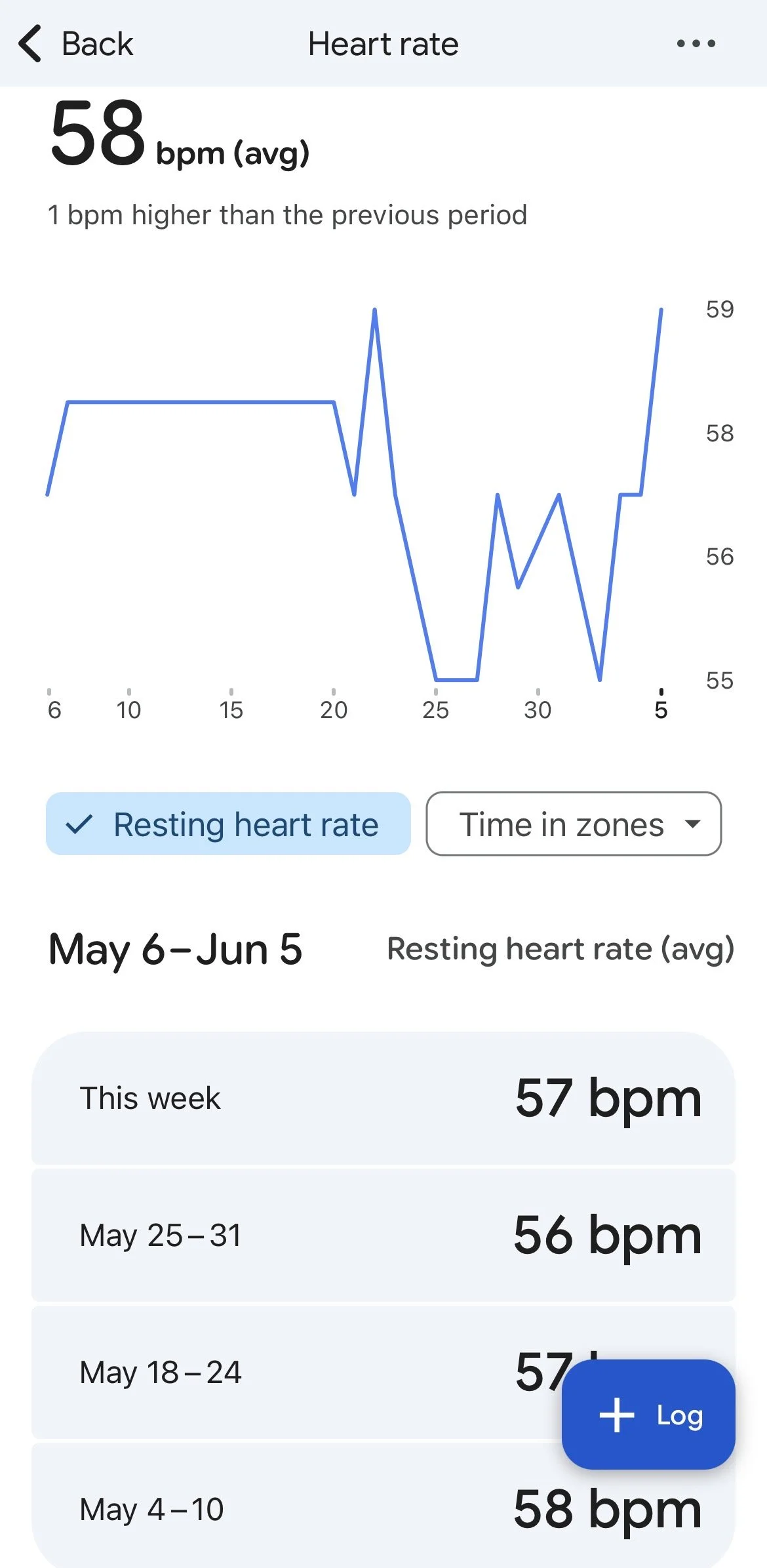
Think; steps, sleep, resting heart rate, and activity levels. Whether those numbers are perfect isn't really the point. The point is that they exist. For example, my average resting heart rate over the past month has been 56 beats per minute.
Is that the most exciting number in the world? Probably not.
But it does provide some reassurance that I'm generally doing a lot of the boring but important things reasonably well: staying active, exercising consistently, sleeping fairly well, and looking after my health.
More importantly, it becomes much harder to convince yourself that everything is fine when the data suggests otherwise. Awareness doesn't automatically create change, but it's often the first step towards it.
The Biggest Surprise: I No Longer Obsess Over the Numbers
This is the ironic one. The entire reason I stopped wearing a smartwatch in the first place was because I felt myself becoming too attached to the data.
Now, after spending two years away from it, my relationship with those numbers feels completely different. I'm interested in them, but I'm not controlled by them.
For example, a bad sleep score doesn't consistently play on my mind throughout the day nor does a lower step count doesn't make me feel guilty.
The data simply gives me information that I can use to make better decisions, and I think that's probably the sweet spot.
I’m no longer ignoring the numbers, but I’m not obsessing over them either—I’m simply using them as tools.
Final Thoughts
Would I recommend a smartwatch to everyone? No, not necessarily. Some people genuinely do become overly fixated on the data, and I can understand why.
But for most people, I do think a smartwatch can serve as a gentle reminder of the habits that matter. Such as moving a little more, sleeping a little better, and paying more attention to your health.
Of course, these are nothing revolutionary—but just the boring fundamentals that tend to produce the biggest results over time.
As for me, I didn't expect to enjoy wearing a smartwatch again. Yet after a month back, I can honestly say it's improved my health habits more than I expected.
And that's coming from someone who voluntarily stopped wearing one for nearly two years.
If you're looking to build healthier habits too, feel free to download my free workout plan with video demonstrations. It's designed to help you get started without overcomplicating the process.
Speak soon,
Leo